Asolar eclipse is a rare celestial event that has captivated humans for centuries. It occurs when the Moon passes between the Earth and the Sun, blocking sunlight either partially or completely. While ancient civilizations often viewed eclipses with awe and mystery, today, we understand them as fascinating astronomical occurrences. However, many cultures still believe in specific traditions and precautions to follow during an eclipse. Here are some things you should do during a solar eclipse to make the most of this cosmic event.
1. Use Proper Eye Protection
Looking directly at the Sun during an eclipse can cause severe eye damage. Use certified eclipse glasses or a solar viewer to safely observe the event. Regular sunglasses do not provide adequate protection.
2. Witness the Phenomenon in a Safe Location
Find an open area with a clear view of the sky, away from tall buildings and trees. Many observatories and science centers host public viewing events with telescopes and guided explanations.
3. Capture the Moment
Photographing a solar eclipse can be a once-in-a-lifetime opportunity. Use proper solar filters on your camera or smartphone lens to avoid damaging the equipment. Experiment with different settings to capture the perfect shot.
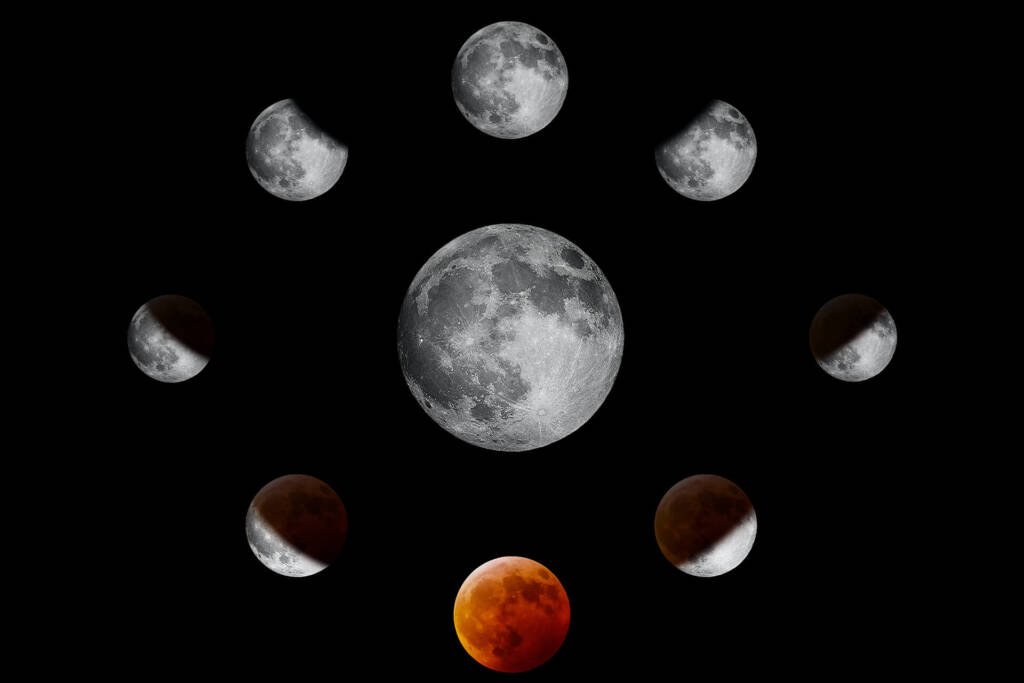
The sky speaks in a thousand colors and eclipses are its most poetic verses.
4. Participate in Scientific Observations
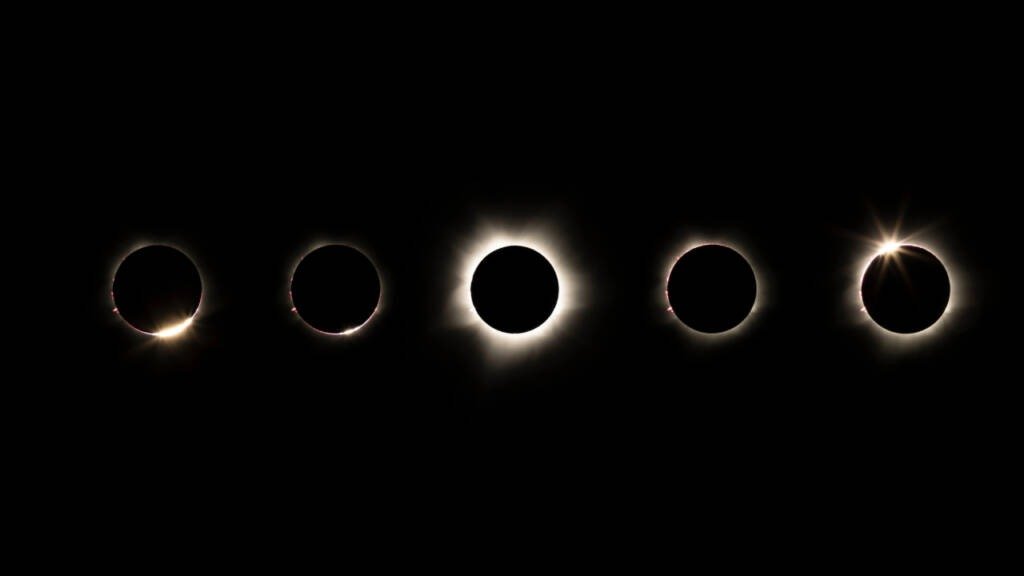
Many astronomers and citizen scientists use solar eclipses to study the Sun’s outer atmosphere, called the corona. If you are interested, you can join scientific projects or participate in experiments related to the eclipse.
5. Meditate and Reflect
A solar eclipse is often associated with introspection and transformation. Many people take this time to meditate, journal, or set new intentions, embracing the symbolism of change and renewal.
6. Observe Animal Behavior
Animals often react strangely to eclipses, mistaking them for sudden nightfall. Birds may stop chirping, and nocturnal animals may become active. Observing these behavioral changes can be an interesting experience.
7. Follow Cultural and Spiritual Practices
Different cultures have unique traditions regarding solar eclipses. Some people prefer to fast, chant mantras, or stay indoors, believing that an eclipse carries spiritual significance. Whether or not you follow these customs, learning about them can be enlightening.
8. Educate and Involve Others
If you have children or friends who have never experienced an eclipse, take the opportunity to educate them about this astronomical wonder. Organizing a viewing party or sharing fun facts about eclipses can make the experience more engaging.
9. Check Local Eclipse Timings
Eclipses are visible only in certain regions, and their timing varies. Check reliable sources like NASA or local astronomical societies to know when and where the eclipse will be visible in your area.
10. Enjoy the Experience
A solar eclipse is a breathtaking natural phenomenon. Take a moment to appreciate its beauty, whether through scientific observation, spiritual reflection, or simply witnessing the event with your own eyes (safely, of course!).
Final Thoughts
Solar eclipses remind us of the vastness and wonder of our universe. Whether you choose to observe, reflect, or document the moment, following these guidelines will ensure you have a safe and meaningful experience.
Are you ready for the next solar eclipse? Prepare ahead and make it a memorable event!
Not sure how to harness the energy of the eclipse for personal or spiritual growth? Book a consultation for expert guidance!